
What I Wish I Knew Before Adopting a Child Exposed to Substances
from Whitney, an adoptive mother of two children born exposed to substances
If you’re reading this because you’re considering adopting a baby who’s been exposed to substances, I want you to know two things: you are brave, and you are not alone. This journey will stretch your heart in ways you didn’t know were possible — it will break it, heal it, and fill it with a love that is raw and real. But before you step into that hospital room, before you hold that trembling little body, I want to share what I wish someone had told me.
The first thing to prepare is your heart. Everyone talks about preparing your home, your paperwork, your finances—but it’s your heart that will be tested most. You’ll feel anger, grief, compassion, and love all at once. You’ll look at your baby shaking, struggling to feed, crying through withdrawals, and feel both heartbreak and fury that it ever came to this. And yet, you’ll also look across the room at the birth mother—fragile, broken, grieving—and feel compassion for her pain, too. Those emotions will collide in you. It’s okay. Both can be true.
Before you bring your baby home, connect with your local health department and pediatrician. Ask every question you can think of—and not just about one substance. In many cases, you won’t know exactly what the birth mother used or how long she used it. Ask the health department about all types of drugs that could cause neonatal withdrawal—opioids, methamphetamines, benzodiazepines, alcohol, and others—and what symptoms each might cause in a newborn. Understanding the full range of possibilities helps you prepare for what you may see and how to support your baby through it.
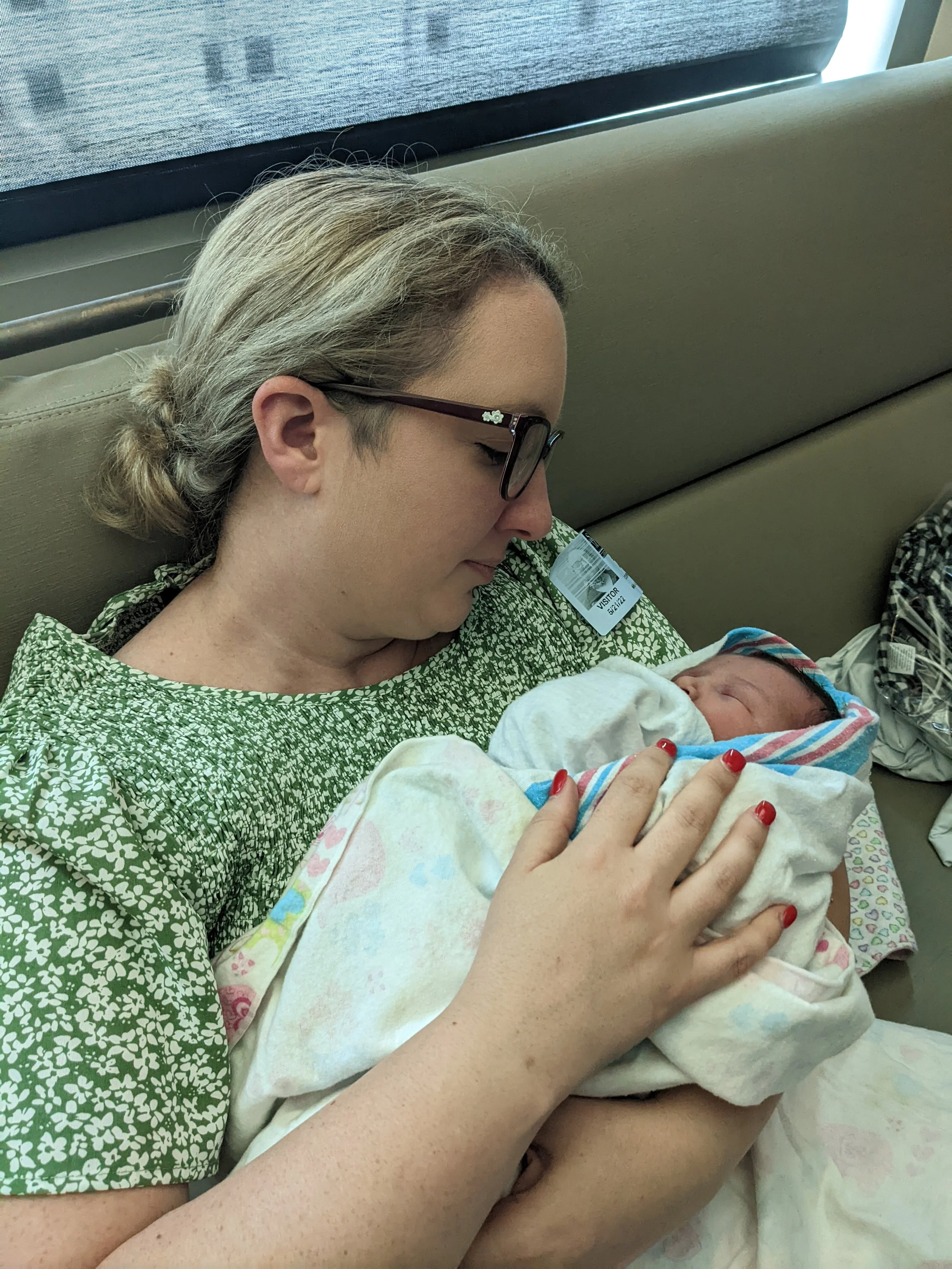
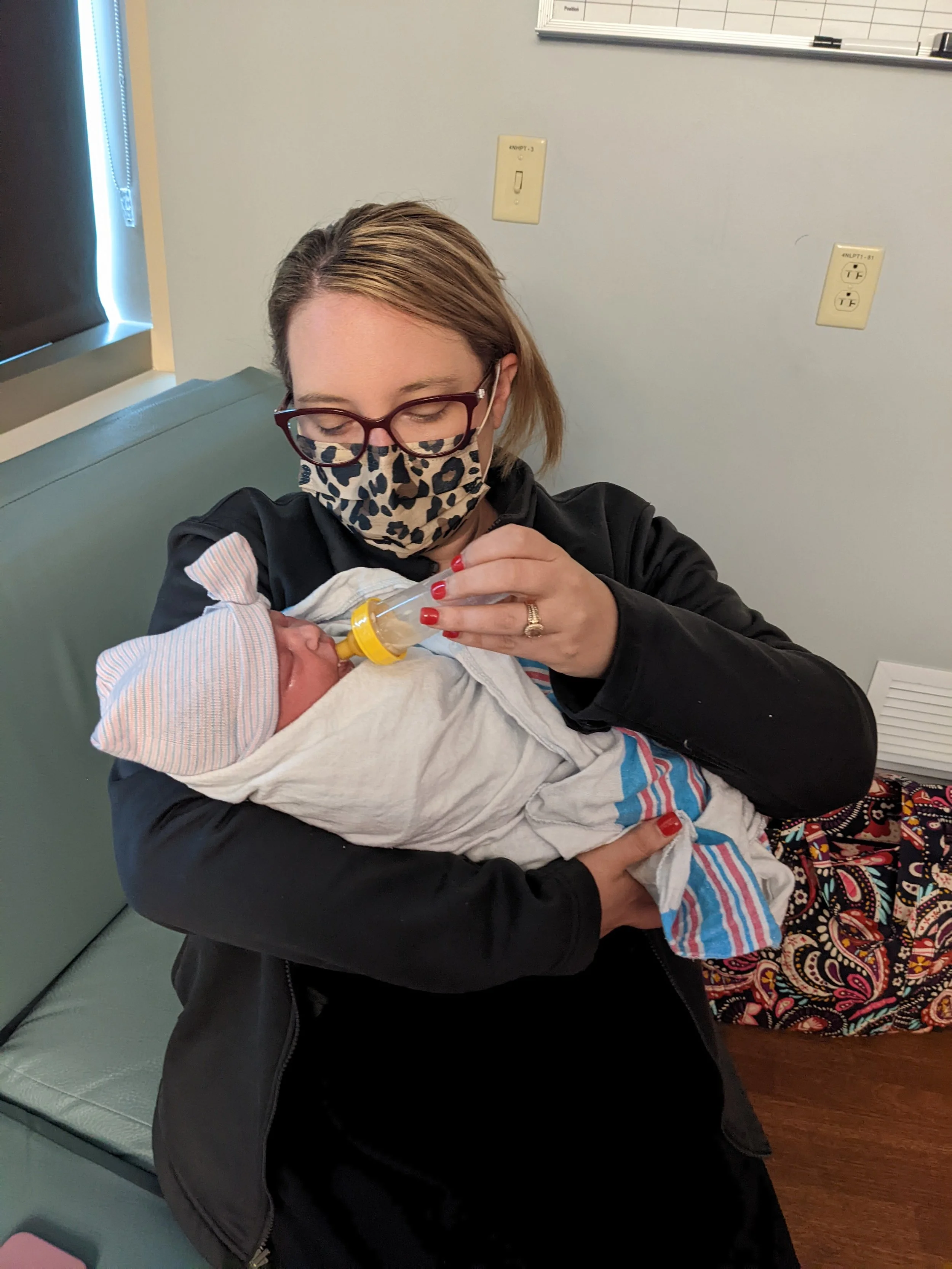
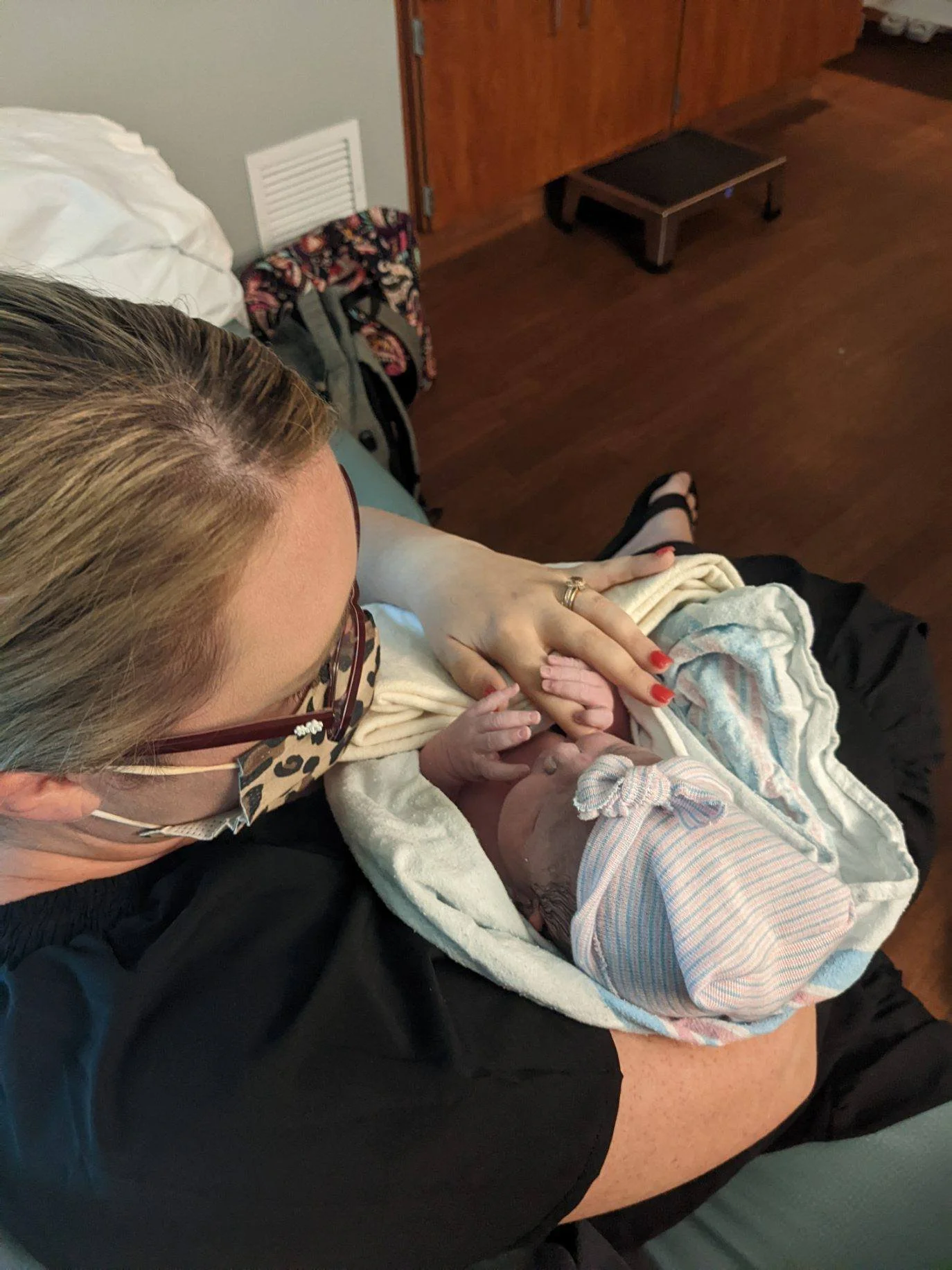
Knowledge won’t erase the pain, but it will give you a map when the road feels impossible to navigate. Ask your hospital about Neonatal Abstinence Syndrome (NAS) and familiarize yourself with the scoring system doctors use to track symptoms. This will help you understand the ups and downs you’ll see in those first critical days.
Prepare for a minimum two-week stay in the NICU. It’s an environment that will imprint on your memory—the constant beeping of monitors, the tangle of wires, the quiet hum of machines helping tiny bodies fight big battles. Your baby will likely cry—often and inconsolably—not because of hunger or discomfort, but because their little nervous system is learning to function without the substances it depended on in the womb. It’s one of the hardest things you’ll ever watch.
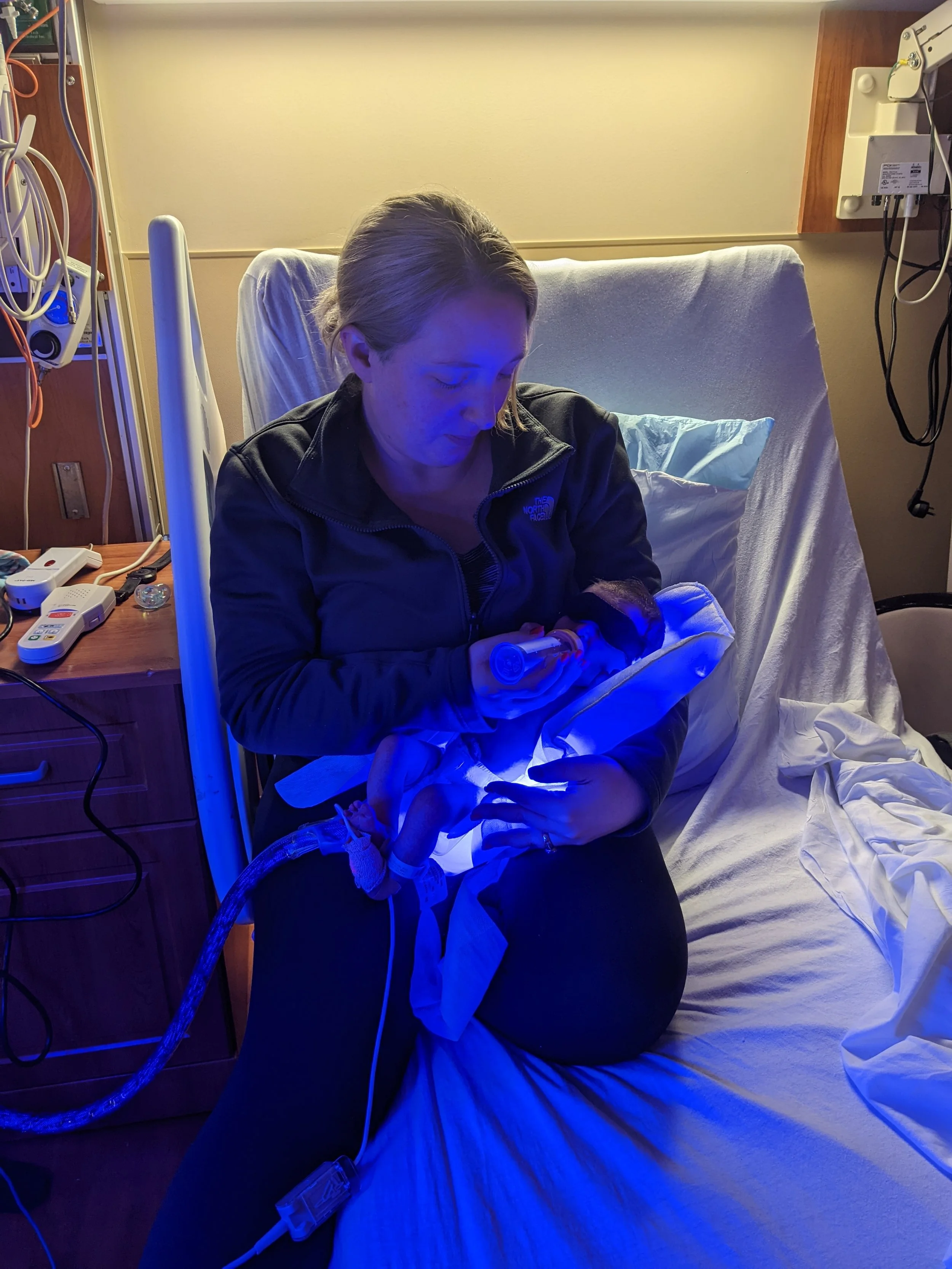
You’ll see tests run every hour or two. One nurse may tell you things are improving; another may say levels are worsening. You’ll feel like you’re living in a pendulum of hope and despair. Your baby may lose weight rapidly—feeding is often a struggle as their bodies work so hard to process the withdrawals. You’ll likely face jaundice treatments, where your baby will be wrapped, eyes covered with tiny goggles, and unable to be held. That helplessness—standing feet away from a baby crying beneath blue lights—will crush you. But hold onto this truth: healing is happening, even when it doesn’t look like it.
Once discharged, prepare for frequent follow-ups—sometimes weekly or bi-weekly. Pediatricians, neurologists, occupational therapists, feeding specialists—your calendar may fill fast. It’s exhausting but necessary. These appointments are how you stay one step ahead of potential complications. Emotionally, be ready for hard conversations with the birth parents. They may reach out for updates, and those moments can feel complicated. You’ll sense their guilt and grief colliding with your own exhaustion and fear. They may be realizing the full weight of their choices just as you’re witnessing their consequences firsthand. Show them grace. They will need your love and compassion as much as your baby does. Loving them doesn’t diminish your role as a parent—it deepens it.
Doctors will warn you that some symptoms or effects may not appear until age two to four. They’ll mention possible challenges with emotional regulation, aggression, ADHD, autism, or digestive issues. Those words can be terrifying. Let them be information, not prophecy. Every child’s story is different.
If I could reach back to myself in those early days, I’d whisper: You can do this. The NICU will end. The wires will come off. The shaking will stop. You’ll bring home a baby who’s been through a storm—and so have you. Together, you’ll learn what healing looks like.
Adoption through substance exposure isn’t easy, but it’s sacred. It’s the kind of love that sits in the trenches—angry, scared, hopeful, and tender all at once—and chooses to stay.